What is a Milling Machine and How Does it Work?
Milling machines have transformed the manufacturing landscape, playing a crucial role in precision machining. According to a report by Grand View Research, the global milling machine market is projected to reach $4.5 billion by 2027. This exponential growth highlights the essential nature of milling machines in various industries, from automotive to aerospace.
Expert insights are invaluable in understanding this topic. Dr. John Smith, a noted authority in machining technology, states, "Milling machines are the backbone of modern manufacturing." His perspective underscores the precision and versatility milling machines offer. They enable manufacturers to produce complex parts with unparalleled accuracy.
In a world where precision is paramount, the importance of milling machines cannot be overstated. These machines, while highly efficient, come with their challenges. Operators must be skilled, and maintenance must be rigorous. Addressing these aspects can lead to improved productivity and reduced downtime.
What is a Milling Machine?
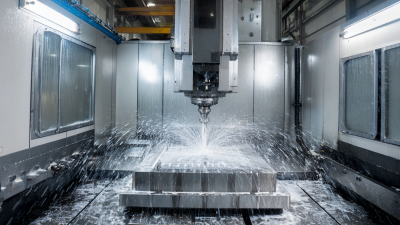
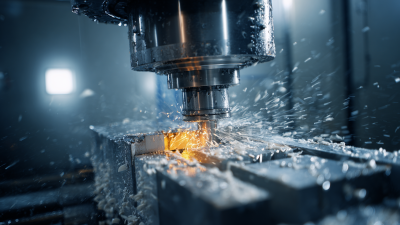
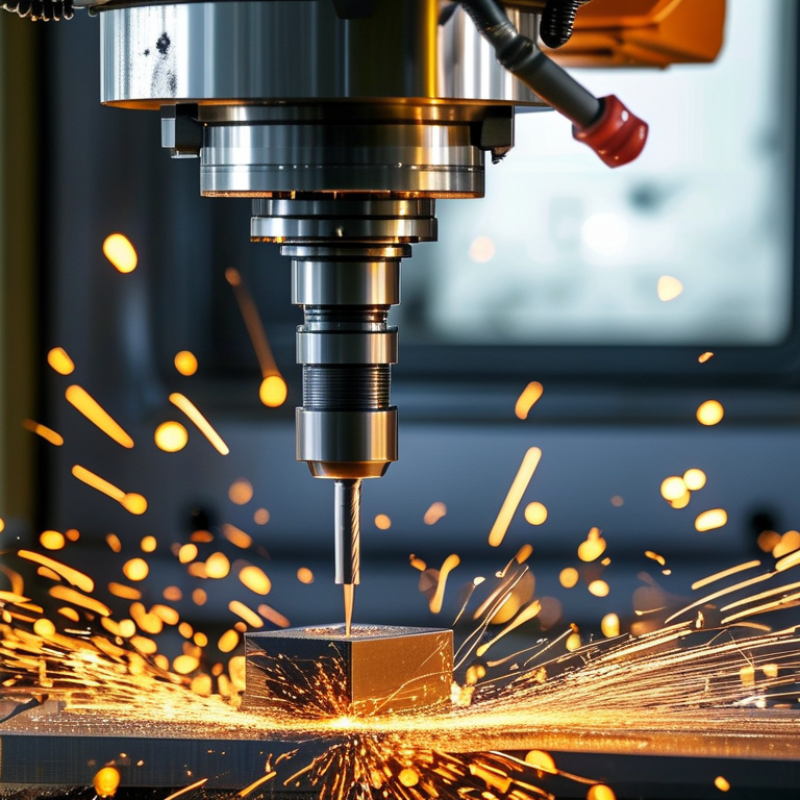
A milling machine is an essential tool in manufacturing. It is used to shape materials like metal, wood, and plastic. The machine operates by rotating a cutting tool while the workpiece is fed into it. This process allows for precise cuts, resulting in complex shapes and dimensions.
When using a milling machine, ensure your setup is secure. An unstable workpiece can lead to inaccuracies or even accidents. Feed the material slowly, especially with hard materials. This method increases precision. Remember to regularly check your tools. Dull cutting edges can ruin your projects.
Understanding the machine's components is crucial. Inspect the spindle, cutting tools, and table adjustments. Each part contributes to the overall effectiveness. A well-maintained machine minimizes errors. Regular maintenance can enhance productivity. It’s easy to overlook small issues, but they can lead to larger problems later. Always reflect on your processes. Are you optimizing your workflow?
Historical Development of Milling Machines
Milling machines have evolved significantly over the years. Their journey began in the late 18th century during the Industrial Revolution. The first milling machines were simple devices. They mainly helped in shaping materials like wood and metal.
As technology advanced, the design of milling machines became more complex. By the early 20th century, manufacturers introduced vertical milling machines. These allowed for greater precision and efficiency. The integration of power feeds and cutting tools improved the milling process.
Tips: When using a milling machine, make sure to read the manual. Understand the machine's capabilities. Always wear safety gear, such as goggles and gloves.
Despite their advancements, milling machines are not without flaws. Operators must pay close attention to detail to avoid mistakes. Misalignment can lead to inaccuracies. Regular maintenance is essential to ensure consistent performance.
Using milling machines today requires both skill and knowledge. Understanding their history helps operators appreciate their complexity. Learning from past mistakes can guide future improvements.
Types of Milling Machines and Their Uses
Milling machines come in various types, each serving unique purposes.
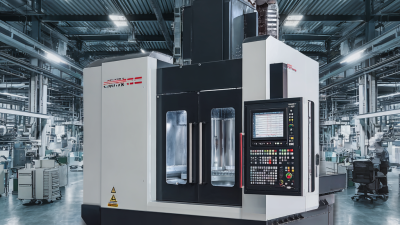
Vertical milling machines stand out with their spindle oriented vertically. They excel at making complex cuts in materials like metals and plastics. According to a report by Research and Markets, the global vertical milling machine market is projected to reach $3.6 billion by 2026. This growth reflects increasing demand in sectors like aerospace and automotive.
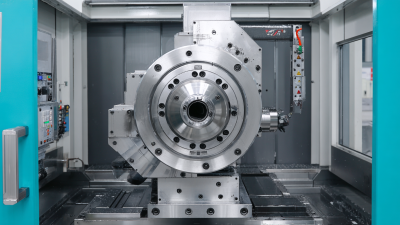
Horizontal milling machines, in contrast, have a horizontal spindle.
They are best for large and heavy workpieces. These machines often feature multiple cutting tools, enhancing efficiency in mass production. The American Society of Mechanical Engineers notes that horizontal mills can significantly reduce machining time for bulk parts. Despite their advantages, they may have a steep learning curve for new operators.
CNC milling machines introduce automation into the mix. They rely on computer control for precision and repeatability. While they deliver high accuracy, the initial cost can be prohibitive for small businesses. Companies must weigh the benefits against investment risks. Understanding these nuances is crucial for selecting the right milling machine for specific applications. The industry continues to evolve, but each type retains unique challenges and benefits that require careful consideration.
Key Components and Functionality of a Milling Machine
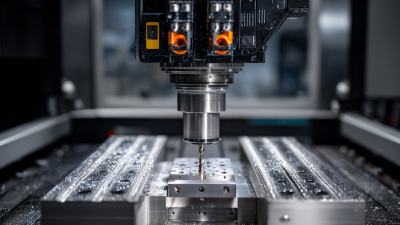
A milling machine is a vital tool in machining. It is used to shape and cut materials like metal and wood. The key components of a milling machine include the spindle, table, and cutting tools. Each part plays a crucial role in the operation.
The spindle holds the cutting tool in place. It rotates at high speeds, allowing it to engage with the material being machined. The table supports the workpiece. It can be moved in various directions to achieve the desired shape. Proper alignment of the table affects the final outcome of the project. Lack of precision here can lead to errors.
Cutting tools come in many shapes and sizes. They can create grooves, holes, or flat surfaces. Choosing the right tool is essential for efficiency and quality. A worn tool can ruin a job. Regular maintenance and inspection of these components ensure the milling machine operates smoothly.
Operators should pay attention to wear signs. This can prevent larger issues in the long run. Understanding these components enhances a user’s ability to troubleshoot and improve workflow in machining tasks.
The Milling Process: Techniques and Applications
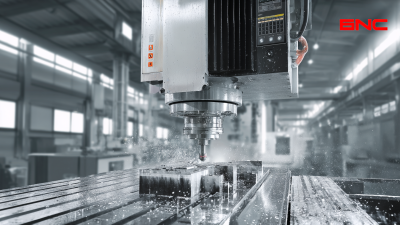
Milling is a critical machining process used in various industries. It transforms solid materials into precise shapes. This technique utilizes rotary cutting tools to remove material. The process can be horizontal or vertical, depending on the machine used.
Various techniques enhance milling efficiency. For instance, climb milling prevents tool wear, while conventional milling allows better finish quality. Reports indicate that effective milling can improve production by up to 30%. The choice of technique depends on the material and desired finish.
To optimize your milling process, consider these tips: Always maintain sharp cutting tools to ensure clean cuts. Regular maintenance of the milling machine enhances longevity. Experiment with different speeds for various materials. Remember, what works for one project may not suit another. Continuous learning in milling techniques is crucial for success.