Horizontal Machining Center Tips for Efficient Global Sourcing
In the realm of precision manufacturing, horizontal machining centers (HMCs) play a pivotal role. These machines enhance efficiency and productivity, making them essential for global sourcing strategies. Recent industry reports indicate that the market for HMCs is projected to grow significantly, reaching $6.3 billion by 2026. This growth underscores the importance of understanding effective sourcing practices for such critical equipment.
HMCs offer remarkable advantages, including improved rigidity and better chip removal. However, sourcing these advanced machines poses challenges. Companies must navigate diverse suppliers while ensuring quality and reliability. Some firms struggle with inconsistent delivery timelines and unexpected costs, leading to production delays. Industry experts emphasize the need for strategic partnerships to mitigate these risks.
Successful sourcing of horizontal machining centers requires knowledge of both the market landscape and supplier capabilities. Evaluating technical specifications and supplier track records is crucial. Companies must remain vigilant and adaptable, continuously reflecting on their sourcing processes to enhance efficiency and performance. By fostering a thorough understanding of HMCs, manufacturers can better position themselves in a competitive global market.
Understanding Horizontal Machining Centers and Their Applications
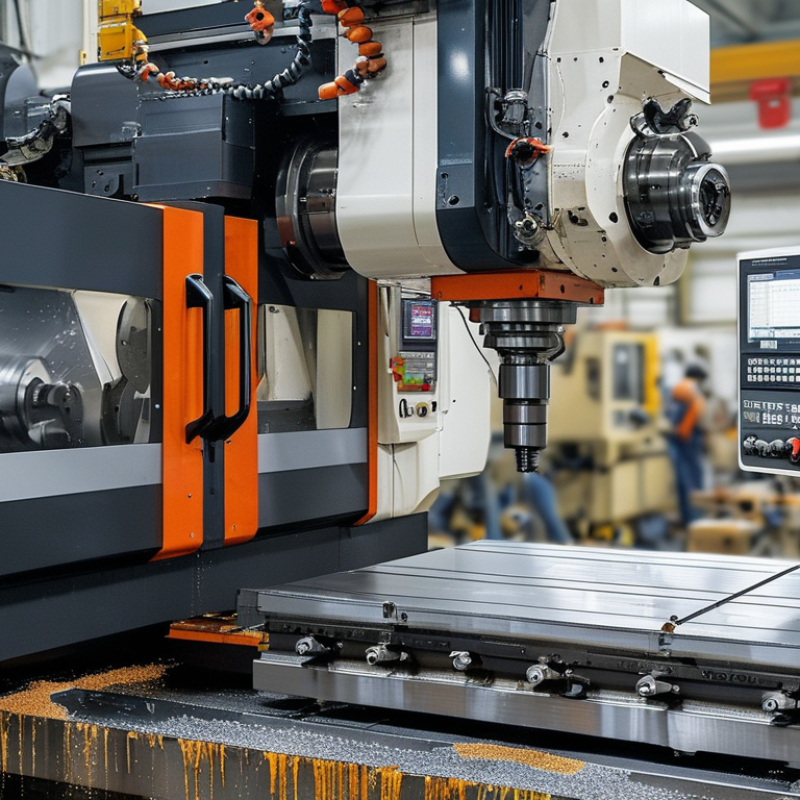
Horizontal machining centers (HMCs) have transformed the manufacturing landscape. These machines excel in efficiency and precision, making them vital in various industries. According to a research report by MarketsandMarkets, the global HMC market is projected to reach USD 9.7 billion by 2025. This growth underscores their increasing application across sectors like aerospace, automotive, and medical devices.
HMCs offer unique advantages, such as multi-sided machining. This capability reduces the need for multiple setups. It streamlines operations, minimizing cycle times. However, transitioning to HMCs requires substantial upfront investment. Many manufacturers hesitate due to costs and training needs. A study from the Association for Manufacturing Technology reveals that over 40% of manufacturers face challenges in employee skill gaps. Addressing these gaps is crucial for achieving maximum efficiency.
Applications of HMCs include complex part fabrication, such as turbine components or intricate tooling. These require high precision and tight tolerances. Data from the International Journal of Machine Tools and Manufacture indicates that using HMCs can boost production rates by 30%. However, companies must continually evaluate their processes to ensure they are harnessing the full potential of these machines. Regular assessments can uncover inefficiencies that hinder productivity.
Horizontal Machining Center Efficiency Data
This chart displays the efficiency of various horizontal machining centers based on their spindle speed (RPM) and cutting speed (m/min). The data showcases the potential performance difference among typical models used in manufacturing.
Key Factors in Global Sourcing for Machining Equipment
When considering global sourcing for machining equipment, several key factors must be evaluated. The market is vast, with diverse suppliers worldwide. Understanding the capacity and reputation of these suppliers is essential. Research their history and reliability in meeting demands. Explore their customer reviews and testimonials. These sources provide insights into their performance and trustworthiness.
Another aspect to consider is the cost of shipping and logistics. Importing machinery can incur significant expenses. Building relationships with local logistics providers can help in navigating these complexities. Evaluate the total cost of ownership instead of just initial expenses. An affordable machine might lead to higher maintenance costs over time.
Cultural differences can also impact successful sourcing. Communication styles vary significantly across regions. Misunderstandings can delay projects or lead to improper equipment specifications. It's beneficial to invest time in understanding cultural norms and expectations. This approach promotes smoother negotiations and better partnerships. A reflective mindset is necessary. Continuous learning is part of the global sourcing journey. Addressing these challenges thoughtfully will ultimately improve sourcing efficiency.
Evaluating Suppliers: Quality, Cost, and Delivery Considerations
When evaluating suppliers for horizontal machining centers, quality, cost, and delivery are crucial. Quality is paramount. A supplier's capacity to deliver precision parts can make or break your production line. Request samples to gauge their manufacturing standards. Quality control procedures should be thoroughly documented. Look for certifications that demonstrate adherence to industry standards.
Cost is another critical consideration. While low prices are attractive, they can lead to compromises in quality. A higher initial investment may result in better longevity and fewer defects. Analyze the total cost of ownership, including potential repairs and replacements. It’s essential to balance cost with performance for optimal results.
Delivery times must be reliable. Delays can disrupt your production schedule, leading to lost revenue. Request historical data on the supplier’s on-time delivery performance. Build a relationship with your suppliers to foster open communication. It helps address issues proactively and avoid misunderstandings. Reflecting on these factors allows you to make informed decisions, but always remain open to the possibility of improvement and adaptation.
Streamlining Supply Chain Processes for Efficient Sourcing
In today's competitive manufacturing landscape, streamlining supply chain processes is essential. According to a report by McKinsey, companies that optimize their supply chains can increase efficiency by up to 30%. This emphasizes the need for a refined sourcing strategy. One approach involves integrating advanced technologies. For example, using AI can enhance demand forecasting and inventory management.
However, challenges persist. Global sourcing often leads to complexities in logistics and communication. A study from Deloitte noted that 25% of companies face significant delays due to inadequate sourcing practices. Establishing clear communication channels with suppliers can mitigate these issues. Regular updates and feedback loops can foster collaboration and transparency.
Moreover, embracing flexibility in sourcing can be a double-edged sword. While diversifying suppliers reduces risk, it can also complicate relationships and quality control. Keeping a balance between reliability and efficiency is crucial. Continuous assessment of supplier performance is vital for long-term success. This iterative process allows businesses to adapt to market changes while maintaining operational effectiveness.
Best Practices for Maintenance and Upkeep of Horizontal Machining Centers
Maintaining horizontal machining centers is crucial for optimal performance. Regular upkeep not only ensures precision but also enhances longevity. According to a report by the International Society for Automation, proper maintenance can increase machine life by up to 30%. Simple tasks, like lubrication and cleaning, are often overlooked. However, these routine activities significantly reduce wear on critical components.
Monitoring the operational environment is equally essential. Dust and temperature fluctuations can adversely affect machining accuracy. Reports indicate that machines subjected to unstable conditions can experience up to a 20% drop in efficiency. Establishing a clean and stable area for your machining center is a wise step.
Data from the Manufacturing Technology Association suggests that 60% of production issues stem from inadequate maintenance. Regular training for operators on maintenance procedures can mitigate these risks. While organizations often prioritize production over maintenance, ignoring upkeep can lead to costly downtimes. This balancing act requires careful consideration and proactive strategies to ensure equipment reliability.
Horizontal Machining Center Tips for Efficient Global Sourcing - Best Practices for Maintenance and Upkeep of Horizontal Machining Centers
| Maintenance Task |
Frequency |
Best Practice |
Notes |
| Lubrication of moving parts |
Weekly |
Use high-quality oils specific to the machine |
Check for consistent oil levels |
| Check coolant levels |
Daily |
Inspect and top up as needed |
Maintain optimal coolant mix ratio |
| Calibration of tools |
Monthly |
Use precision tools for accurate measurement |
Document calibration results |
| Inspection of machine structure |
Quarterly |
Look for signs of wear and tear |
Address any structural issues immediately |
| Software updates |
Biannually |
Always use the latest software versions |
Backup existing configurations before updates |