Hex Bolt and Nut Sourcing Guide for Global Buyers
When sourcing Hex bolts and nuts, buyers face numerous challenges. Understanding the nuances of this process is vital for success. Quality and reliability are essential in selecting suppliers. Many factors influence the sourcing of Hex bolts and nuts, including material standards and production techniques.
Buyers often overlook the importance of manufacturer experience. An experienced supplier can provide insights that a new one may not. Additionally, the specifications of Hex bolts and nuts vary widely. It’s crucial to know the requirements before placing orders. Failing to do so can lead to costly mistakes.
Many global buyers struggle with sourcing reliability. It’s important to build relationships with trusted suppliers. Some may find it difficult to ensure quality control across borders. Reflecting on past sourcing experiences can shed light on potential pitfalls. Informed choices lead to better outcomes in securing the right Hex bolts and nuts.
Understanding Hex Bolts: Specifications and Standards in Global Trade
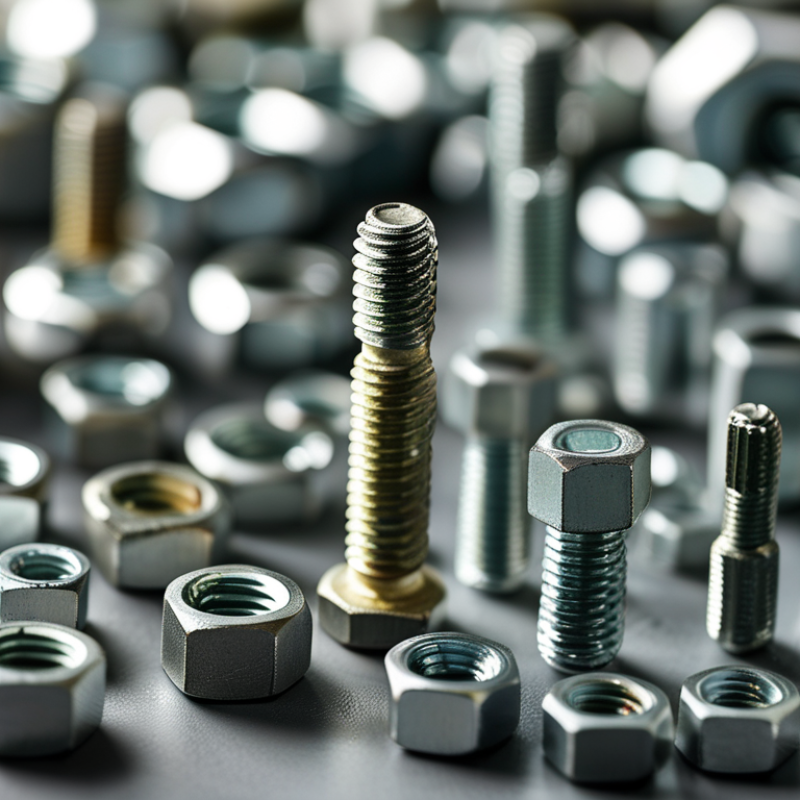
Hex bolts are essential components in various industries, serving as critical fasteners in construction and machinery. Understanding their specifications and standards is vital for global buyers. These fasteners come in various grades, materials, and coatings. The grade often indicates their tensile strength and suitable applications. For instance, a common grade like 8.8 is found in many structural applications. However, not all suppliers accurately describe these grades, leading to potential issues.
Global standards vary, which can create confusion. The International Organization for Standardization (ISO) and American Society for Testing and Materials (ASTM) provide guidelines. Each standard aims to ensure quality and consistency in bolts. Navigate these standards carefully; misinterpretations can lead to sourcing inferior products. Buyers should ask for certificates to verify compliance with these standards.
When sourcing hex bolts, consider additional metrics like diameter, length, and thread pitch. These specifications are crucial for compatibility with nuts and other components. Discrepancies in size can result in project delays or failures. Trustworthy suppliers will willingly provide detailed product information. Yet, take caution; not all suppliers prioritize quality. Always conduct due diligence before finalizing orders.
Hex Bolt and Nut Sourcing Guide for Global Buyers
| Specification | Standard | Material | Coating | Strength Grade | Applications |
| M6 x 30mm | ISO 4014 | Steel | Zinc Plated | 8.8 | Automotive |
| M8 x 50mm | DIN 933 | Carbon Steel | Black Oxide | 10.9 | Construction |
| M10 x 60mm | ASTM A325 | Alloy Steel | Hot-Dip Galvanized | 8.8 | Heavy Machinery |
| M12 x 70mm | ASME B18.2.1 | Stainless Steel | None | A2 | Marine Applications |
Key Materials Used in Hex Bolt Manufacturing and Their Properties
Hex bolts and nuts are essential components in various industrial applications. Understanding the key materials used in their manufacturing is crucial for global buyers. Typically, hex bolts are made from steel, stainless steel, and alloys. Each material offers distinct properties, influencing performance and durability.
Steel is the most common choice. It's strong and cost-effective. However, it is prone to corrosion. Stainless steel addresses this issue, providing excellent resistance to rust and corrosion. It’s suitable for harsh environments. Alloy steel combines several elements to enhance strength and toughness. This makes it ideal for heavy-duty applications.
Tips: When sourcing bolts and nuts, consider the environment they will be used in. Corrosion resistance is vital for longevity. Always verify material certifications to ensure quality.
Another factor to consider is standardization. Different regions may use various standards for sizes and grades. Understanding these can prevent sourcing mistakes.
Tips: Always check technical specifications. This ensures compatibility with existing infrastructure. Communication with suppliers can help clarify details.
Choosing the right materials can significantly impact project outcomes. Diligent research and careful selection are necessary. Sometimes, even small details can lead to major issues later. When in doubt, seek expert advice.
Nut Types and Compatibility: Ensuring Optimal Fastener Performance
When sourcing hex bolts and nuts, compatibility is critical. Different nut types are designed for specific bolt sizes and grades. For example, a hex nut paired with a coarse threaded bolt may not perform adequately under stress. This mismatch can lead to failure and costly repairs. Understanding the specifications is essential for effective sourcing.
Using appropriate materials also impacts performance. Steel nuts may not suit all applications, especially in corrosive environments. In such cases, nylon or stainless steel nuts could offer better resistance. However, relying on the wrong material can lead to rust and premature failure. It’s important to evaluate each component carefully.
Take the time to explore various options. Consider the database of standards and specifications relevant to your project. Pay attention to threading and tolerances, as these factors influence fit and function. This ensures that your fasteners will perform optimally in demanding applications. Mistakes in compatibility can lead to significant setbacks. Reflecting on the compatibility of components can enhance overall project success.
Global Sourcing Strategies for Cost-Effective Bolt and Nut Procurement
Sourcing hex bolts and nuts globally can be challenging. Buyers must navigate various markets and suppliers. A strategic approach is crucial for cost-effective procurement. Understanding local pricing can reveal where to find the best value.
Exploring different countries opens doors to competitive options. Sometimes, quality varies significantly between regions. It's essential to evaluate potential suppliers thoroughly. Requesting samples helps assess their craftsmanship. Meanwhile, consider the impact of shipping and tariffs on overall costs.
Building strong relationships with manufacturers can ensure better service. Regular communication fosters trust and can lead to better pricing. However, some buyers may encounter unexpected delays or quality issues. Addressing these concerns early can prevent larger problems later. Flexibility in sourcing can lead to innovative solutions.
Quality Control Measures in Hex Bolt and Nut Production and Sourcing
When sourcing hex bolts and nuts, quality control is crucial. Many buyers may overlook this aspect, but it is fundamental to ensure product reliability. Quality starts at the production phase. Manufacturers should adhere to strict standards to guarantee the strength and durability of the fasteners. This includes material selection, heat treatment, and surface finishing. Products must meet international specifications, which vary by region.
Buyers should establish clear quality control measures with suppliers. Regular audits and inspections can prevent issues before they arise. However, many suppliers may not allow full transparency. This raises concerns about the integrity of the manufacturing process. Communication fosters a deeper understanding of quality expectations. It’s important to ask detailed questions about production techniques and inspections.
Additionally, consider the impact of logistics on quality. Transportation can lead to damage if not properly managed. Ensuring adequate packaging and handling during shipment is essential. It’s common for buyers to underestimate this risk, but it can affect the entire supply chain. Paying attention to all these details is necessary for effective sourcing of hex bolts and nuts.