What is a Filling Packaging Machine and How Does it Work?
The global packaging industry is witnessing significant advances, particularly in the realm of filling technologies. A Filling Packaging Machine plays a crucial role in this evolution. According to recent market analysis from Smithers Pira, the global packaging market is projected to exceed $1 trillion by 2024. This growth underscores the importance of efficient packaging solutions.
Filling packaging machines are pivotal in various sectors, including food, beverages, and pharmaceuticals. They ensure precise filling and sealing, enhancing product integrity and shelf life. The demand for these machines has surged, driven by the need for automation and productivity enhancements. However, as technology advances, manufacturers must continuously improve their processes to meet evolving consumer expectations.
Adopting a filling packaging machine is not without challenges. Companies often face issues related to machine calibration and material compatibility. These factors can lead to inconsistencies in production. Yet, overcoming these hurdles can lead to enhanced operational efficiency and reduced waste. Embracing innovation in this sector is essential, as the market landscape remains highly competitive.
What is a Filling Packaging Machine?
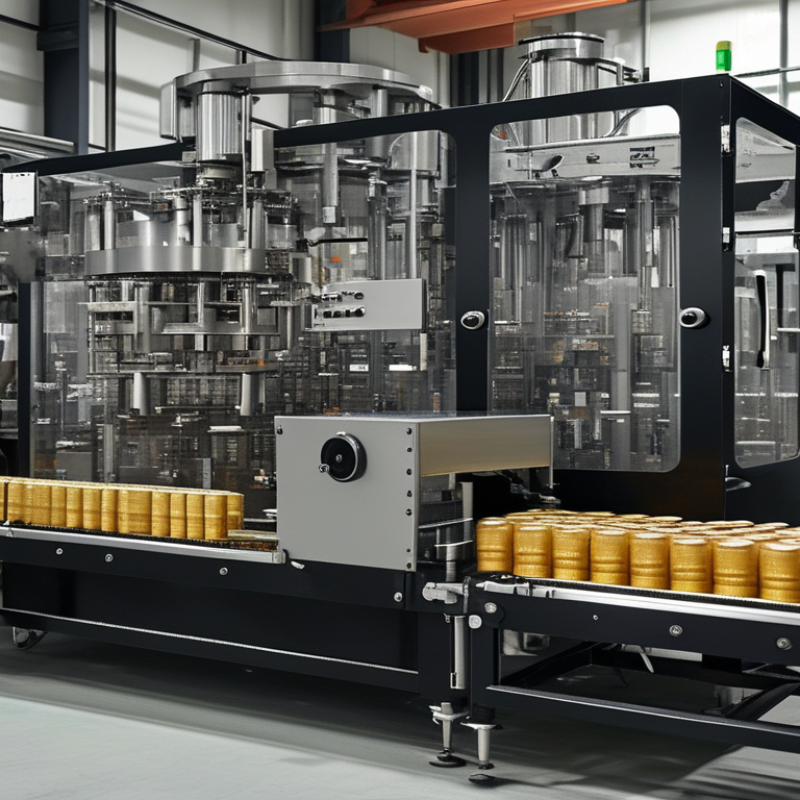
A filling packaging machine is an essential tool in the food and beverage industry. It automates the process of filling containers with products, ensuring accuracy and efficiency. This machine handles various products, such as liquids, powders, and granules. By using advanced technology, it maintains consistent fill levels and minimizes spills. These machines are widely used in factories and production lines, making operations faster and more reliable.
When choosing a filling packaging machine, consider the type of product you intend to package. Machines designed for liquids may differ from those used for powders. It's important to assess the machine's capabilities and compatibility with your production needs. Also, factor in the machine’s maintenance requirements. Regular upkeep is crucial for optimal performance. Over time, even the best machines may require parts to be replaced.
Pay attention to the energy efficiency of the machine. In today’s environment, a machine that saves energy can significantly reduce costs. Evaluate the speed at which the machine operates. A faster machine may enhance productivity, but it should not compromise quality. Finding the right balance is key for successful packaging operations.
Filling Packaging Machine Performance Comparison
This chart illustrates the efficiency of different types of filling packaging machines based on their output per hour across various categories, such as liquid, granular, and powder filling.
Types of Filling Packaging Machines Available
Filling packaging machines are essential in various industries. They automate the process of filling products into containers, ensuring efficiency and accuracy. There are several types of filling packaging machines that cater to different needs and products.
Volumetric filling machines measure the volume of liquid or granules packed. These machines are widely used for liquids, powders, and granulated products. According to industry reports, volumetric machines account for over 30% of the market share in the packaging equipment sector. On the other hand, gravimetric filling machines focus on weight. They provide higher accuracy, making them ideal for products where weight matters, like food and pharmaceuticals.
Vacuum filling machines and aseptic filling machines are also important. Vacuum fillers expel air from containers to enhance product freshness. Aseptic fillers allow for the preservation of liquid products without refrigeration, extending shelf life significantly.
When selecting a filling machine, consider product characteristics and production requirements. Each type offers unique benefits. Analyze the specific needs of your business first. Seek guidance from industry experts when necessary. Timing is often overlooked; maintenance schedules can affect machine performance. Ensure regular checks are in place to avoid downtime.
Components and Mechanisms of Filling Packaging Machines
Filling packaging machines are essential in various industries. They automate the process of filling containers with products, ensuring efficiency and accuracy. These machines consist of various components that work cohesively to accomplish this task. Key components include hoppers, filling nozzles, and control panels. Hoppers hold the product before it is dispensed. Filling nozzles help in pouring the product into containers. The control panel serves as the brain of the machine, regulating the entire process.
Proper calibration and maintenance are vital for optimal performance. Regular checks on filling accuracy can prevent significant losses. Sometimes, a slight miscalculation can lead to overfilling or underfilling. These mistakes not only waste materials but also reduce consumer confidence. Observing the machine during operation can provide insights into its efficiency and areas for improvement.
Adjustments to the speed of filling and other parameters may enhance overall productivity. However, implementing these changes should be approached with caution. Minor tweaks might yield unexpected results. Operators should document adjustments for future reference. Failure to do so can lead to repeated errors. Consider conducting routine training for operators to keep them engaged and knowledgeable about machine functionality.
How Filling Packaging Machines Operate Step-by-Step
Filling packaging machines are essential in many industries. They streamline the process of filling containers with liquids, powders, or granules. Understanding how these machines operate can help optimize production.
The filling process begins with container placement. Operators load empty containers onto a conveyor system. Sensors identify their position, ensuring accurate filling. Next, the machine dispenses the precise amount of product into each container. This step is crucial for maintaining quality and consistency.
Once the filling is complete, containers move to the sealing station. This part of the machine applies closures or lids, ensuring that the products remain fresh. Finally, the filled and sealed containers are labeled and prepared for shipping.
It’s important to conduct regular maintenance on filling machines. This helps prevent downtime and ensures reliability. Cleaning components routinely can also avoid contamination. Operators should be trained to troubleshoot common issues. Even minor adjustments can enhance efficiency.
Considering the specific needs of your production, you might need to customize certain settings. Take the time to reflect on your methods. Continuous improvement can lead to better outputs. The process may have flaws, but identifying them can drive progress.
Applications of Filling Packaging Machines in Various Industries
Filling packaging machines play a vital role across numerous industries, from food to pharmaceuticals. According to a recent study by MarketsandMarkets, the global filling equipment market is projected to reach USD 6.42 billion by 2026, driven by the rising demand for packaged goods. In the food sector, these machines efficiently fill containers with sauces, soups, and beverages at high speeds, ensuring consistent quality. For instance, a machine can fill thousands of bottles per hour, improving productivity.
In the pharmaceutical industry, accuracy is paramount. Filling machines are equipped with advanced sensors to measure dosages precisely. A technical report from Allied Market Research indicates that the pharmaceutical packaging market is forecasted to grow at a CAGR of 7.5%, reflecting the increasing regulatory focus on product safety. Mistakes in this field can be costly. A filling machine that settles for imperfect measurements can compromise patient safety, emphasizing the need for ongoing improvements in technology.
Challenges still persist in managing machine downtime and ensuring that filling processes meet stringent quality controls. Continuous innovation is necessary to tackle these issues. As industries evolve, the demand for more adaptable and efficient filling systems grows, leading to more complex solutions. Manufacturers must remain agile to respond to these needs.