
Buying machined parts across borders can look simple on a supplier’s website. A drawing is uploaded, a quote arrives, and production appears ready to begin. In practice, reliable Cnc Machining requires more than comparing unit prices. Material certificates, tolerance control, surface finish, inspection methods, packaging, and communication can determine whether parts fit your assembly. A 0.02 mm error may seem minor, yet it can stop an entire production line.
Global buyers also face unfamiliar manufacturing cultures and inconsistent technical language. Clear drawings help. So do agreed revision numbers, sample approvals, and measurable quality requirements. Experienced sourcing teams often request a first-article inspection report before approving larger quantities. They may also confirm machine capabilities, calibration records, and the supplier’s experience with similar materials. These steps are practical, not decorative. Still, even careful planning has weak points. A supplier can pass a sample inspection and later struggle with volume consistency. Freight delays can affect a perfect production schedule. We should not pretend otherwise.
The following ten Cnc Machining tips focus on decisions that reduce avoidable risk. They cover supplier evaluation, design-for-manufacturing, quoting, tolerances, inspection, delivery, and long-term cooperation. Each point connects technical evidence with real purchasing concerns. Ask precise questions. Record every agreement. Leave room for honest review when results differ from expectations. That discipline supports dependable parts and more transparent international sourcing. Mistakes may still happen. Good systems make them visible early.
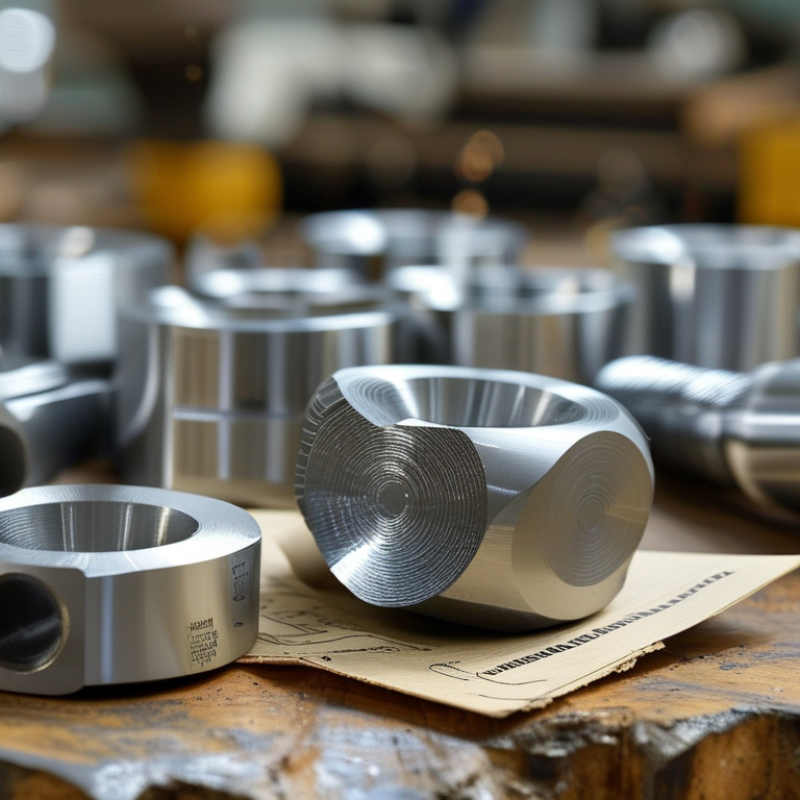
Global purchasing starts with a clear part definition. Specify the material grade, annual quantity, critical dimensions, tolerance zones, surface finish, and intended application. A drawing alone is often insufficient. State datum references, thread standards, inspection points, and acceptable cosmetic marks. In practice, buyers frequently over-specify hidden surfaces, increasing costs without improving performance. A useful RFQ should also include 3D files, revision control, packaging needs, and the target delivery date.
Supplier evaluation should match the real buying goal. Some projects prioritize prototype speed, while others require stable repeat production. Ask for process capability evidence, inspection records, material certificates, and a documented corrective-action process. The ISO Survey 2023 recorded 1,265,216 ISO 9001 certificates worldwide, yet certification alone does not prove machining capability. Request sample reports. Review how the supplier handles tool wear, first-article approval, and measurement uncertainty.
Global logistics can change the best quotation. UNCTAD’s Review of Maritime Transport 2023 states that over 80% of world merchandise trade by volume moves by sea. Therefore, compare landed cost, customs responsibilities, insurance, and transport time instead of unit price alone. Define the commercial delivery term clearly. Confirm export packaging for heavy steel parts or delicate aluminum components. I have seen buyers save five percent on machining, then lose that saving through rework and urgent freight. The uncomfortable lesson is simple: a cheaper quote may reflect missing requirements, not better efficiency.
Choosing a reliable CNC machining supplier across borders requires more than comparing hourly rates. Review machining experience, material knowledge, inspection methods, and export documentation. A supplier should explain how it controls tolerance, surface finish, and batch consistency. Ask for sample inspection reports, not only attractive photographs.
The 2023 ISO Survey recorded over 1.2 million ISO 9001 certificates worldwide. Certification is useful evidence, but it is not proof of perfect production. Verify the certificate scope, issuing body, and manufacturing site. The World Bank’s 2023 Logistics Performance Index compares 139 economies, highlighting differences in customs, infrastructure, and delivery reliability. Use those conditions when planning shipping routes and safety stock.
Test communication before signing a large contract. Send a detailed drawing with one difficult tolerance. Measure response time, technical questions, and proposed process controls. A capable supplier may challenge an unclear dimension. That is positive. It shows manufacturing judgment.
Check whether the supplier uses calibrated CMM equipment, material certificates, first-article inspection, and traceable batch records. Confirm how it handles nonconforming parts and corrective actions. Small details matter. I once treated a low quote as strong evidence; it later concealed weak packaging and repeated inspection delays. Price still matters, but predictable quality usually costs less than emergency rework, missed launches, and customs disputes.
Use process capability as one practical screening tool when comparing international CNC machining suppliers. The chart shows typical planning tolerances for common processes; actual results depend on material, part geometry, machine condition, inspection methods, and drawing requirements.
Typical supplier-selection checks for global buyers:
Tolerance values are representative engineering planning ranges in millimeters, not guaranteed limits. Always obtain a supplier-specific capability statement for the final design.
Defining materials, tolerances, finishes, and technical specifications prevents expensive misunderstandings. The ISO Survey 2023 recorded more than 1.26 million ISO 9001 certificates worldwide, showing how widely documented quality systems are used. However, certification does not replace a clear drawing. State the exact alloy, temper, hardness, and material certificate requirement. For aluminum, distinguish 6061-T6 from 7075-T6. They machine differently and perform differently. Specify datum references, critical dimensions, thread standards, and inspection methods. A vague “high precision” request is not enough.
Tip 1: Separate critical from noncritical dimensions. Use ISO 2768 only for suitable general tolerances. Tight tolerances increase machining time, inspection effort, and scrap risk. The 2024 Deloitte Manufacturing Industry Outlook highlights continuing cost and supply-chain pressure, so tolerance discipline matters.
Tip 2: Define surface finish numerically. Write Ra 1.6 µm, not “smooth.” Also identify anodizing, passivation, plating, or coating thickness. Include masked areas and cosmetic limits. Small details matter.
Tip 3: Send a native 3D model and a controlled PDF drawing. Confirm revision levels before production. This is where buyers often fail. I have seen excellent parts delayed by one missing thread callout. Ask for a first-article report, material traceability, and dimensional evidence for critical features. Consider realistic inspection uncertainty; a claimed ±0.005 mm tolerance may exceed the process capability. Recheck it before approval.
Global CNC buyers should compare more than the final price. A low quote may exclude tooling, surface treatment, inspection, or export packing. Ask for a line-by-line breakdown. Check the material grade, tolerance range, batch size, and payment terms. A clear quotation reduces costly surprises.
Tip: Request two sample parts before approving a large order. Measure critical features with documented equipment, not visual inspection alone. Ask whether the supplier can provide material certificates, dimensional reports, and process records. Quality standards must match your market and product risk. ISO-based procedures are useful, but actual inspection evidence matters more. I have seen excellent certificates paired with weak production controls.
Lead time needs practical detail. Separate programming, raw material purchasing, machining, finishing, inspection, and shipping. Ask for a production schedule with approval points. Then test the promise against available machine hours and current orders. Production capacity is not the same as machine count. Skilled operators, maintenance planning, and backup equipment affect real output.
Tip: Request a capacity statement for your monthly volume, including peak demand. Build a small buffer. Delays happen. A quote can look professional and still be too optimistic. Recheck assumptions after design changes, especially when tolerances tighten or finishes become more complex.
A CNC prototype can look perfect on a screen and still fail during assembly. Request one sample before approving a larger batch. Check hole locations, surface finish, thread fit, and sharp edges with actual gauges. A signed drawing with revision numbers prevents quiet changes. Still, drawings can contain mistakes, so review critical dimensions with the machinist.
Plan inspection before production starts. Define sampling levels, measuring tools, and acceptable tolerances in writing. For tight features, ask for a dimensional report with measured values, not only a pass statement. Photos of the part beside a caliper are useful, but they do not replace calibrated inspection equipment. I once trusted attractive photos too much. The first shipment exposed that weakness.
Packaging needs engineering, not decoration. Separate finished parts with foam, protect threads with caps, and add moisture control for long routes. Heavy components should sit in reinforced cartons or crates, with weight labels facing outward. Confirm carton dimensions, gross weight, and packing lists before booking freight. Import risks often begin with incomplete descriptions, incorrect quantities, or missing origin details. Ask the supplier and logistics provider to review commercial documents together. Check destination duties, taxes, permits, and product classification with a qualified customs professional. Delivery estimates can change. Leave buffer time for inspections, weather, and port delays.
"*" indicates required fields