How to Choose the Best Smc Moulding Press for Your Needs?
Choosing the right Smc Moulding Press is crucial for your production needs. It's more than just selecting a machine; it's about understanding your specific requirements. There are many factors at play. Consider the type of materials you will use. The characteristics of SMC materials can vary greatly. This affects how the press should perform.
Researching options is important. Not all presses are created equal. Some may offer higher efficiency, while others excel in precision. Ask industry experts for insights. Their experiences can guide your decision-making process. You might find that a press ideal for one application may not suit another.
It's essential to think about your future needs too. Will your production scale up? Will you need greater versatility? These questions are often overlooked, leading to later inefficiencies. Taking time to reflect on these aspects can result in a better long-term investment. A well-chosen Smc Moulding Press can enhance productivity and quality, thereby benefiting your business.
Understanding the Basics of SMC Moulding Press Technology
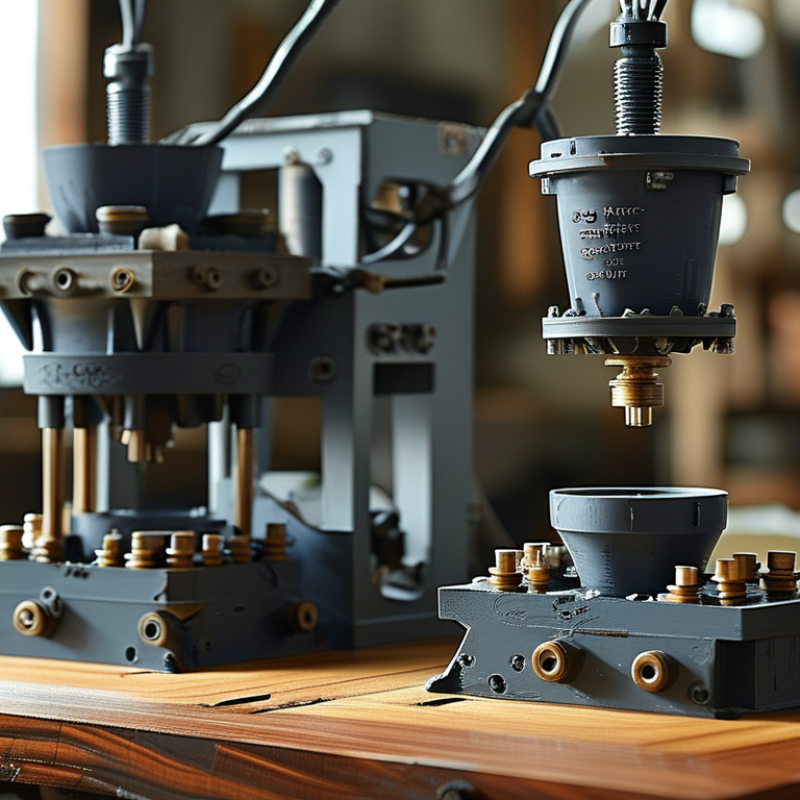
Understanding the basics of SMC moulding press technology is crucial. SMC, or Sheet Moulding Compound, is a widely used composite material. This technology involves using a heated press to shape SMC into desired forms. The SMC moulding press applies pressure and heat, allowing the material to flow and take shape. Precision in these processes can greatly affect the final product's quality.
Choosing the right moulding press can be daunting. Pay close attention to the press’s capabilities. Certain presses are designed for specific thicknesses or sizes of SMC. Matching the equipment with your project requirements is vital. Improper selection might lead to inefficiencies or defects in the final product.
Tips: Always consider production volume. For high-volume production, automated models may offer advantages. Evaluate the cost versus longevity and maintenance needs of different presses. Additionally, it’s wise to consult industry experts. Their insights can guide you in making informed decisions. Remember, investing time in research pays off. Quality machinery can enhance productivity and reduce waste.
Factors to Consider When Selecting an SMC Moulding Press
Choosing the right SMC (Sheet Molding Compound) molding press can greatly influence production efficiency and product quality. Several factors are crucial in this decision-making process.
Firstly, consider the press's capacity. A reliable report from the American Society of Mechanical Engineers indicates that presses with higher tonnage ratings typically handle thicker materials better. Capacity also affects cycle times and production output, potentially influencing your overall operational costs.
Another vital factor is the press's design and features. Hydraulic versus mechanical presses offer different advantages. Hydraulic presses often provide better control over pressure and speed. Detailed analyses show that firms using advanced hydraulic presses see up to a 30% increase in production efficacy. Additionally, consider the energy efficiency of the machinery. Research suggests that energy-efficient models reduce operational costs, thereby enhancing profitability over time.
Lastly, think about the adaptability of the press in relation to changing market demands. Industries are evolving rapidly, and adaptability can be a game-changer. A flexible press can accommodate various designs and materials, which is invaluable during market shifts. Balancing these considerations can be challenging. Each choice comes with trade-offs that can impact production outcomes significantly. Establishing priorities based on your specific needs will guide you toward the most suitable SMC molding press.
Comparing Different Types of SMC Moulding Presses
When comparing different types of SMC moulding presses, one must consider various factors. Each type has distinct features, advantages, and limitations. For instance, hydraulic presses offer high pressure and precision, making them suitable for complex shapes. They excel in producing complex parts but may require more maintenance. In contrast, mechanical presses are faster and more efficient. They work best for high-volume production but might lack the flexibility for intricate designs.
Recent industry reports indicate that the global market for SMC moulding technology is projected to grow by 5.6% annually through 2028. This growth reflects the increasing demand for lightweight composite materials in automotive and aerospace sectors. Additionally, the reduction in manufacturing time is a critical factor. SMC presses can significantly decrease cycle times. However, some users report challenges in setting up molds correctly, which can affect production efficiency.
Choosing the right press is not just about the specifications. It involves understanding your specific needs and constraints. For instance, while a high-capacity press can handle larger projects, it may not be the best choice for smaller, intricate tasks. Many facilities face the dilemma of balancing cost with production capability. Selecting the right tool for the job requires careful reflection on these trade-offs.
Choosing the Best SMC Moulding Press: A Comparison of Different Types
Evaluating Performance and Efficiency of Moulding Presses
When evaluating the performance and efficiency of SMC moulding presses, several key factors come into play. Firstly, consider the press's tonnage. This measurement indicates the force applied during the moulding process. A higher tonnage often results in better material flow and denser end products. However, selecting a press that's overpowered for your needs can lead to wasted energy and higher operating costs.
Next, examine the cycle time. Shorter cycle times mean increased productivity. But, pushing for speed can compromise product quality. It's crucial to strike a balance that maintains efficiency while ensuring the quality of the output. The heating and cooling processes also significantly influence efficiency. A press that heats quickly but cools slowly may prolong cycle times. Evaluating these parameters can guide you in making informed decisions.
Another aspect to consider is the energy consumption of the press. Many modern moulding presses are designed with energy efficiency in mind. However, understanding their actual performance in real-world settings may require thorough testing and analysis. Occasionally, manufacturers may not provide all the necessary data. This can create uncertainty about a press’s long-term reliability. Consulting with industry experts can provide valuable insights into these discrepancies.
Assessing Budget and Cost-Effectiveness for Your Needs
When considering the purchase of an SMC moulding press, assessing budget and cost-effectiveness is vital. The initial investment can range widely. According to industry reports, prices can be between $50,000 and $300,000. This range reflects features, size, and capabilities. It’s essential to align your specific needs with what each model offers.
Longevity and maintenance costs should not be overlooked. A high-quality press may have a higher upfront cost but could save money long-term. Maintenance can account for up to 15% of operational costs annually. This makes understanding the total cost of ownership crucial. Some reports indicate that businesses can recover initial costs through efficient production cycles and reduced waste.
Calculate the expected return on investment (ROI). A press that enhances productivity can significantly impact your bottom line. For example, a model that reduces cycle time by just 10% could improve output, translating into increased revenue. However, every choice comes with risks. Factors like market demand and material availability can affect the expected benefits. Always consider these variables when evaluating your options.
How to Choose the Best Smc Moulding Press for Your Needs?
| Model | Max Pressure (ton) | Clamping Force (ton) | Price Range (USD) | Energy Efficiency Rating | Warranty (Years) |
| Model A | 200 | 150 | $25,000 - $30,000 | A+ | 2 |
| Model B | 250 | 175 | $30,000 - $35,000 | A | 3 |
| Model C | 300 | 200 | $40,000 - $45,000 | A+ | 4 |
| Model D | 350 | 225 | $50,000 - $55,000 | B | 5 |
| Model E | 400 | 250 | $55,000 - $60,000 | A++ | 6 |