Best Gate Valve Types for Global Buyers in 2026?
In the ever-evolving landscape of industrial components, Gate Valves stand out for their critical role in fluid control. As we approach 2026, the need for effective gate valve solutions is more pressing than ever. These valves are essential in various industries, from oil and gas to water management. Their reliable design ensures optimal performance in high-pressure environments.
However, selecting the best type of gate valve can be a challenging task for global buyers. With numerous options available, it is crucial to consider factors such as material, size, and application. Not all valves are created equal, and some may not meet specific requirements. Decision-makers must reflect on their needs carefully. An informed choice leads to better operational efficiency.
In this context, understanding the latest trends and innovations in gate valve technology is vital. As manufacturers enhance their designs, buyers should stay updated. That ensures they invest in high-quality products. The right gate valve can significantly impact performance. Balancing cost and quality is a constant challenge that demands attention.
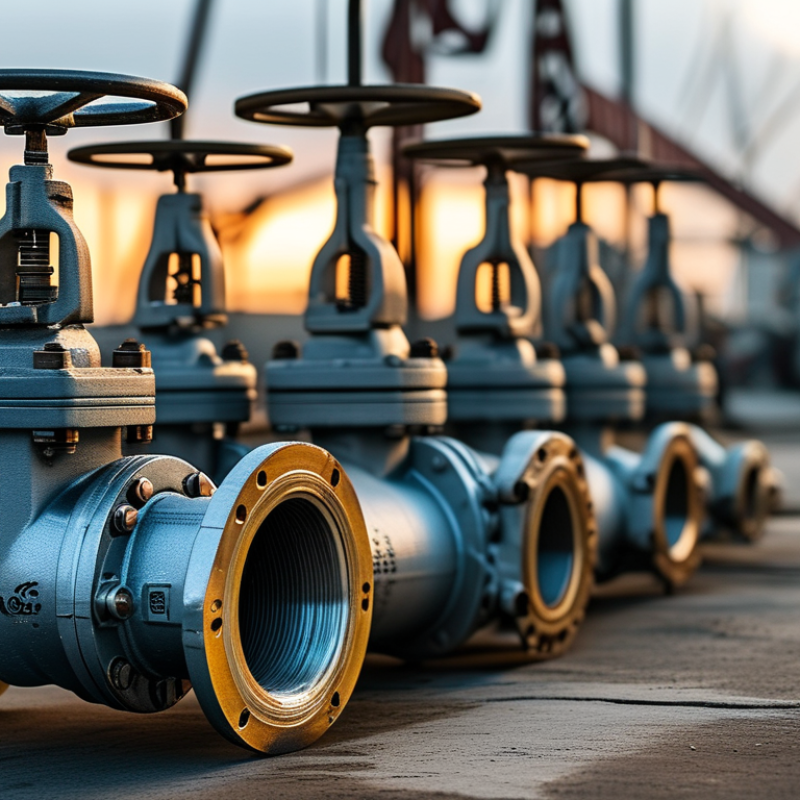
Best Gate Valve Types for Global Buyers in 2026: A Comprehensive Overview
As the global demand for gate valves increases, understanding the best types for various applications becomes crucial. In 2026, the market is projected to grow significantly, driven by industries like oil and gas, water treatment, and manufacturing. According to a recent market analysis, the global gate valve market is expected to reach $10 billion by 2026, reflecting an annual growth rate of over 6%. This growth highlights the importance of selecting the right valve type to ensure efficiency and reliability.
Stainless steel gate valves dominate due to their corrosion resistance and durability. They are often preferred in harsh environments. However, ductile iron gate valves are gaining traction for their strength and cost-effectiveness. A report from the Industry Valve Association indicated that nearly 40% of manufacturers choose ductile iron for its balanced performance and affordability. Buyers should consider their specific needs, including pressure, temperature, and medium compatibility, when making selections.
Tips: Always consult industry specifications before purchasing. It helps in ensuring compliance and performance. Also, examine the operating conditions carefully. Oversizing a valve can lead to inefficiencies. Remember, the right choice promotes long-term reliability.
Key Materials Used in Gate Valves: Stainless Steel vs. Cast Iron
Gate valves play a crucial role in various industries by controlling fluid flow. The choice of materials significantly impacts their performance. Stainless steel and cast iron are two popular options, each offering unique benefits and challenges.
Stainless steel is known for its corrosion resistance. This makes it an ideal choice for harsh environments. Its strength ensures reliability in high-pressure applications. However, stainless steel tends to be more expensive than cast iron. This cost may not be justifiable for every project. Evaluating the specific use case is essential before making a decision.
On the other hand, cast iron is known for its durability and cost-effectiveness. It operates well in low to moderate pressure systems. It can withstand wear and tear from various media, but it is not as resistant to corrosion. This limitation often necessitates protective coatings or regular maintenance. Understanding the operating environment is critical to ensure longevity. Each choice presents strengths and weaknesses, making careful consideration vital.
Current Market Trends in Gate Valves: Global Demand and Growth Projections
The global gate valve market is seeing significant transformation these days. Industries increasingly demand reliable and efficient valve solutions. The trend is shifting toward valves that offer longer service life and less maintenance. Recent data shows a steady rise in new construction projects, especially in energy and water sectors. This driven focus on sustainability accelerates adoption of advanced materials.
Technological trends are impacting gate valve design. Automation and smart valve technology are becoming crucial. Many buyers are looking for solutions that integrate IoT capabilities. This growing interest reflects a broader push towards smarter industrial processes. However, some manufacturers struggle to meet rising expectations. There remains a gap between traditional designs and modern requirements. Companies must invest in R&D to bridge this divide.
The rising global demand for gate valves also creates challenges. Supply chain disruptions have affected availability. Buyers must consider lead times and logistics when ordering. Additionally, the competition is fierce. New entrants are trying to capture market share, which might lead to quality concerns. Buyers should research thoroughly and verify suppliers' reliability before making decisions.
Comparative Analysis of Gate Valve Designs: Wedge vs. Parallel Gate Valves
Gate valves play a crucial role in various industries, providing reliable flow control. There are two primary designs for gate valves: wedge and parallel. Understanding their differences is vital for making informed purchasing decisions.
Wedge gate valves are most commonly used. They feature a tapered mechanism that provides a tight seal when closed. Industry reports indicate that they are more effective in high-pressure applications. However, they may be prone to wear over time, especially with frequent adjustments. This can affect their longevity and performance.
Parallel gate valves offer an alternative with a flat disc. They provide a low-friction operation, which can be advantageous in specific scenarios. According to recent studies, parallel designs are increasingly favored in water treatment plants due to reduced leakage risks. However, their sealing performance may not be as robust as wedge types, especially under high-pressure conditions.
Each design has its strengths and weaknesses. The choice ultimately depends on specific application requirements and operating conditions. As the market continues to evolve, a
careful assessment of these designs is crucial for buyers.
Regulatory Standards Impacting Gate Valve Selection in Different Markets
When choosing gate valves, regulatory standards vary widely across regions. Different markets impose specific requirements that impact valve material, design, and performance. For example, the American National Standards Institute (ANSI) has unique guidelines for valve manufacturing, emphasizing durability and pressure ratings. These standards ensure safety, but they can also complicate the selection process for global buyers.
In contrast, European standards such as the DIN and ISO focus on environmental impact and sustainability. These regulations may encourage the adoption of eco-friendly materials. Buyers must consider how local legislation shapes procurement and manufacturing practices. Understanding these distinctions is vital for making informed decisions.
Not all standards are comprehensive or clear. Gaps exist in the guidelines, creating challenges for manufacturers. Moreover, adherence to varied standards incurs additional costs and time. Navigating this regulatory landscape requires both expertise and diligence, emphasizing the need for reliable suppliers who can provide compliant solutions.
Best Gate Valve Types for Global Buyers in 2026
This bar chart illustrates the projected market demand for various types of gate valves in 2026. The 'Metal Seated' gate valves are expected to hold the largest market share, driven by their durability and wide applications across industries. 'Resilient Seated' valves follow, appealing to markets that prioritize cost-effectiveness. This insight is critical for global buyers to make informed decisions while considering regulatory standards impacting gate valve selections in different regions.