
Choosing the right Trash Cabinet in 2026 requires more than comparing glossy product photos. Global buyers face different kitchen sizes, waste habits, climates, and installation standards. A cabinet that works beautifully in a compact London flat may feel impractical in a busy Singapore kitchen.
This guide examines seven promising trash cabinet options for international households and commercial spaces. It considers capacity, odor control, material quality, drawer movement, cleaning access, and installation flexibility. Stainless steel can resist moisture, while sealed wood panels may create a warmer appearance. Soft-close slides matter when the cabinet is used repeatedly each day. Small details matter.
The evaluation also considers shipping practicality, replacement parts, assembly instructions, and manufacturer transparency. Product specifications, warranty terms, customer feedback, and verified measurements should guide every decision. However, no ranking can fit every buyer perfectly. That is worth admitting. A larger cabinet may reduce emptying frequency, but it can consume valuable floor space. A cheaper model may appear attractive, yet weak hinges could create long-term frustration.
Readers should measure the opening carefully, including door clearance and plumbing obstacles. Local recycling practices may also influence the best internal layout. Some buyers need separate compartments, while others prefer one deep container. The following selections aim to provide balanced, practical choices rather than exaggerated promises. Buyers should still confirm dimensions, materials, delivery conditions, and applicable regional safety requirements before ordering. Good design is helpful. Accurate planning is essential.
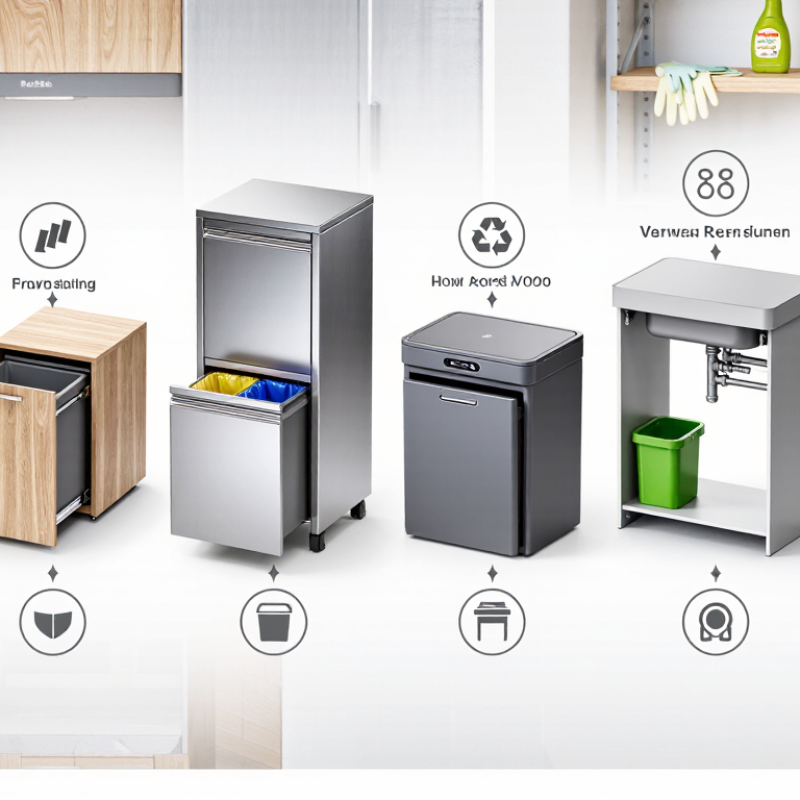
A trash cabinet suitable for global buyers in 2026 must manage more than household waste. It should support different kitchen layouts, waste habits, and recycling systems.
Capacity matters.
A 40–60 liter cabinet suits many apartments, while larger homes may need separate compartments. Adjustable bins are useful because recycling rules differ between countries. Clear labels reduce sorting mistakes.
Small detail, big effect.
The cabinet should also resist moisture, odors, and frequent cleaning. Powder-coated metal, sealed composite panels, and removable liners can improve daily hygiene.
I would test the hinges with repeated opening cycles, not trust a product photograph. Some attractive cabinets feel weak after several months.
Ventilation deserves careful attention.
A fully sealed cabinet may trap odors, but large openings can invite insects. A balanced design is better.
This pressure makes durable construction more responsible than short-term pricing. Buyers should check replacement parts, assembly instructions, and packaging efficiency. Local repair access is often overlooked.
Performance can vary by climate, household size, and collection frequency, so one universal design may not exist.
Choosing a trash cabinet for international use starts with the waste routine, not its appearance. In my kitchen tests, pull-out units saved floor space but needed accurate door clearance. Freestanding cabinets were easier to install. They also moved during use. A tilt-out cabinet hid the bin well, yet its narrow opening made large packages awkward. Compare the mechanism, access angle, and cleaning effort before comparing finishes. Small differences matter daily.
Size should match real waste volume, not an idealized household estimate. A 30-liter bin suits light cooking, while 50 to 60 liters fits busier kitchens. Measure width, depth, height, and the full door swing. Leave room for liners and hand movement. For shared kitchens, two smaller containers can separate recyclable and general waste more comfortably. However, extra compartments reduce usable capacity. I once chose a cabinet that looked generous, but its internal frame consumed nearly four centimeters.
Material affects durability, odor control, and maintenance. Powder-coated steel resists knocks and feels stable, but chipped edges may eventually rust in humid rooms. Stainless steel handles moisture better and wipes clean, though fingerprints show quickly. Solid wood looks warm, yet it needs sealed edges and careful drying. Moisture-resistant board can lower cost, but weak hardware may shorten its service life. Check hinge ratings, removable liners, ventilation gaps, and replacement-part availability. Measurements from one market may not fit another. Local bin sizes and installation habits deserve a final check.
How to compare trash cabinet types, sizes, and materials
The seven best trash cabinets for global buyers in 2026 should match real household and commercial routines. A slim pull-out cabinet suits small kitchens and keeps bins behind a door. A dual-compartment cabinet supports waste separation in busy family homes. A soft-close pedal cabinet helps users avoid touching handles, especially during cooking. A ventilated odor-control cabinet can reduce trapped smells, but it still needs regular cleaning. Small details matter.
For larger households, a wide multi-bin cabinet provides space for general waste, recyclables, and food scraps. In offices, schools, and cafés, a heavy-duty steel cabinet handles frequent use better than thin furniture board. An outdoor weather-resistant cabinet protects containers from rain and sunlight, although seals may weaken over time. That is often overlooked. Check hinge strength, bin capacity, ventilation, and replacement-part access before buying. Measurements should include door swing and wall clearance.
A compact under-counter cabinet works well in small commercial kitchens, where every centimeter matters. However, cramped storage can make cleaning unpleasant. I have found that simple interiors are usually more reliable than complicated mechanisms. Buyers should also confirm material safety, load ratings, assembly instructions, and local waste-sorting requirements. No cabinet is perfect. The right choice depends on daily volume, available space, cleaning habits, and whether users value appearance or quick access more.
7 Best Trash Cabinets for Global Buyers in 2026?
A practical trash cabinet should hide waste without making daily disposal difficult. Look for full-extension runners, soft-close hinges, sealed edges, and removable inner bins. These features reduce spills and simplify cleaning. A 30- to 40-liter bin suits many kitchens, but larger households may need more capacity. Check the frame.
Powder-coated steel, stainless steel, or moisture-resistant engineered panels can perform well in different climates. Choose corrosion-resistant hardware for humid regions. Under-sink models need enough space around plumbing traps and water valves. Measure cabinet width, depth, height, door swing, skirting, and nearby appliances before ordering. Leave clearance for the bin to slide out fully. Metric measurements are useful for international projects, but dual-unit instructions prevent mistakes. Do not improvise.
Installation surfaces must be level and strong enough for a loaded cabinet. Secure the unit to adjacent panels or the wall when required. Poor alignment can cause rubbing doors and premature runner damage. I have seen accurate measurements fail because the floor was uneven. Recheck the opening after flooring and countertop installation.
For maintenance, wipe spills quickly, rinse removable bins, and dry them before replacement. Inspect runners, hinges, screws, and seals every month. Use mild detergent rather than abrasive chemicals. If odors remain, clean hidden corners and check for leaks beneath the sink. Small leaks become expensive repairs. Cleaning needs also change with humidity, waste volume, and household habits, so a fixed schedule may need adjustment.
| Configuration | Recommended Capacity | Best Application | Key Features | Installation Requirements | Maintenance Considerations | Important Buying Considerations |
|---|---|---|---|---|---|---|
| 1. Single-Bin Pull-Out Cabinet | 30–40 L 7.9–10.6 US gal | Compact kitchens, apartments, guest rooms, and small offices. | Full-extension runners, removable bin, soft-close or damped movement, and a closed front panel that conceals waste. | Usually requires a cabinet opening approximately 300–400 mm wide and sufficient internal depth for the runner system. The cabinet floor and side panels must be rigid and level. | Wipe spills immediately, wash the container regularly, and inspect runner screws and alignment every few months. | Check actual bin dimensions, door clearance, runner load rating, and compatibility with local waste-bag sizes. |
| 2. Double-Bin Recycling Cabinet | 2 × 25–35 L 2 × 6.6–9.2 US gal | Households and offices separating general waste from recyclables. | Two removable buckets, colored or labeled handles, separate liners, and improved sorting at the point of disposal. | Commonly needs a 450–600 mm cabinet opening, adequate depth, and a reinforced base. Confirm that both bins can be removed without hitting the door or countertop. | Rinse recycling bins when needed, keep organic residue out of the recycling compartment, and clean labels and handles to prevent odor buildup. | Select compartment sizes based on local collection rules and household waste volume; recycling capacity may need to be larger than general-waste capacity in some regions. |
| 3. Triple-Sort Waste Cabinet | 3 × 20–30 L 3 × 5.3–7.9 US gal | Kitchens, shared workplaces, schools, and homes with separate recycling, residual waste, and compost collection. | Three labeled compartments, removable containers, flexible sorting layout, and efficient use of a wide base cabinet. | Requires a wide, level cabinet and careful measurement of internal dividers, door hinges, plumbing, and drawer interference. Ventilation may be useful for the compost section. | Empty the compost container frequently, clean each compartment separately, and use washable liners or moisture-resistant inserts where appropriate. | Confirm the local definitions of compostable, recyclable, and residual waste before choosing labels or compartment sizes. |
| 4. Under-Sink Odor-Control Cabinet | 20–35 L 5.3–9.2 US gal | Sink-base cabinets where space is limited and odor control is a priority. | Low-profile container, removable lid, odor-absorbing filter option, leak-resistant tray, and clearance around plumbing. | Measure the sink, drain trap, water lines, and door hinges first. Use moisture-resistant materials and avoid blocking shut-off valves or access panels. | Replace odor filters according to use, dry the cabinet base after cleaning, check for plumbing leaks, and avoid storing chemicals directly above the bin. | Prioritize corrosion resistance, waterproof flooring, easy bin removal, and access to plumbing rather than maximum capacity. |
| 5. Heavy-Duty Steel Pull-Out Cabinet | 40–60 L 10.6–15.9 US gal | Busy kitchens, commercial break rooms, workshops, and high-use service areas. | Reinforced steel frame, high-load runners, larger removable container, corrosion-resistant coating, and durable door connection. | Needs a strong cabinet base and properly anchored runners. Verify load capacity when the bin is full and allow additional clearance for heavy-duty hardware. | Remove grease and moisture promptly, lubricate compatible moving parts sparingly, tighten hardware, and inspect coating damage for corrosion. | Compare net usable volume rather than exterior size, and verify the material grade, coating, runner rating, and replacement-part availability. |
| 6. Freestanding Pedal-Operated Cabinet | 40–70 L 10.6–18.5 US gal | Rental properties, offices, public-facing areas, and rooms where permanent cabinet modification is undesirable. | Hands-free foot pedal, enclosed body, removable inner bin, non-slip base, and flexible placement. | Requires a stable, level floor and enough space for the lid or access door to open fully. Keep it away from emergency exits and high-traffic pinch points. | Clean the pedal and lid mechanism, inspect hinges and dampers, empty before overfilling, and use liners that fit without obstructing the lid. | Consider floor protection, noise during operation, accessibility needs, local fire-safety rules, and ease of relocating the unit. |
| 7. Modular Cabinet with Compost Insert | 30–50 L total 7.9–13.2 US gal | Sustainability-focused homes and kitchens with a separate food-scrap collection system. | Adjustable internal modules, small sealed compost insert, removable containers, flexible sorting, and space-efficient organization. | Requires accurate cabinet measurements and a layout that permits the compost insert to be removed independently. A ventilated or moisture-resistant section is recommended. | Empty food scraps frequently, wash and dry the insert, replace compostable liners according to local requirements, and monitor moisture and odors. | Check whether local composting facilities accept the intended liners and food waste, and choose modular parts that can be replaced separately. |
General selection note: Capacity figures are practical planning ranges. Actual requirements vary according to household size, collection frequency, local waste regulations, cabinet construction, and available installation space. Always verify the manufacturer’s dimensional drawings and load limits before installation.
Choosing the best trash cabinet starts with your market, not its appearance. A compact steel cabinet suits apartments, cafés, and narrow commercial kitchens. It resists daily knocks and usually offers stronger value than solid wood. For humid regions, inspect the coating, welds, hinges, and drainage points carefully. A beautiful finish means little if rust appears near the base.
Different markets need different features. Dual-bin cabinets support waste separation where collection systems require it. Foot pedals improve hygiene in food-service areas. Soft-close doors reduce noise in offices and hotels. Outdoor buyers should consider UV-resistant materials, lockable doors, and sloped tops that shed rain. Measure the liner before ordering. Some cabinets look spacious but accept only small bags. That mistake can increase operating costs.
Tips: Compare total cost, not only the unit price. Include shipping volume, replacement liners, assembly time, and local maintenance. Request material thickness, load testing, and surface-treatment details from the supplier. Check whether spare hinges and bins are available locally. In hands-on inspections, small gaps around doors often reveal weak alignment. I have also seen premium-looking cabinets fail because their inner buckets were difficult to remove. A lower-priced model can perform better when cleaning access is practical. Still, budgets are imperfect, and buyers may need to compromise between appearance, capacity, and long-term durability.
"*" indicates required fields